Machine Vision and the Role of AI in Quality Control
Machine Vision and the Role of AI in Quality Control
The growing use of artificial intelligence (AI) technologies has revolutionized quality control in manufacturing. As production processes grow increasingly complex, traditional inspection methods are struggling to keep pace. With its adaptability and capacity to augment inspection accuracy and efficiency, AI has emerged as an indispensable tool in upholding high-quality standards in production and manufacturing environments.
AI Visual Inspection
AI-powered defect inspection, driven by advanced machine learning algorithms such as deep learning neural networks, offers unmatched speed and precision in defect detection, optimizing quality control across diverse product lines. Whereas traditional inspection methods rely on subjective human judgment or rigid rule-based approaches, AI-based inspection ensures consistent inspection performance, scalability, and data-driven decision-making. These systems analyze visual data with remarkable accuracy, identifying even subtle defects while efficiently handling large volumes of items.
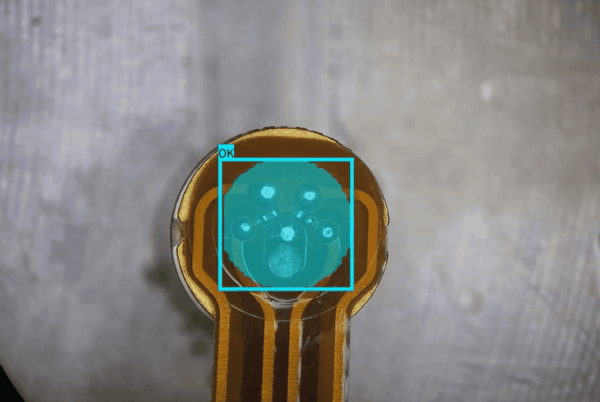
AI algorithms excel in detecting a wide range of product defects, from surface imperfections to complex anomalies and irregularities. Through real-time analysis of visual data, AI inspection systems employ advanced image processing techniques to pinpoint defects that may be missed by conventional methods. This high level of precision not only elevates quality standards but also significantly reduces the risk of defective products reaching consumers.
Moreover, AI systems are capable of classifying defects with remarkable accuracy, thanks to sophisticated machine learning algorithms. By employing these techniques, manufacturers can efficiently sort and categorize faulty items, enabling them to swiftly address specific issues and minimize overkill rates and false negatives in quality control processes.
In addition to defect detection and classification, AI-powered optical character recognition (OCR) technology plays a vital role in manufacturing and logistics. OCR systems can accurately read critical information such as serial numbers, expiration dates, and other data directly from products or packaging. This capability enhances traceability and ensures compliance with regulatory requirements.
AI technology also enables the identification of specific features or missing components in products through presence/absence checking, ensuring compliance with rigorous quality standards. This functionality is particularly crucial in assembly lines where precise component placement is essential for product functionality and safety.
There are many industries making use of AI visual inspection for quality control. For example, in electronics manufacturing, companies like Samsung utilize AI-powered visual inspection systems to detect defects in printed circuit boards (PCBs) with exceptional precision. These systems analyze vast datasets of labeled PCB images to identify imperfections that may elude human inspectors. Similarly, in pharmaceutical manufacturing, AI-powered vision systems equipped with high-resolution cameras are employed to inspect pharmaceutical vials for cracks, missing caps, or foreign objects during the packaging process.
AI algorithms excel in detecting a wide range of product defects, from surface imperfections to complex anomalies and irregularities. Through real-time analysis of visual data, AI inspection systems employ advanced image processing techniques to pinpoint defects that may be missed by conventional methods. This high level of precision not only elevates quality standards but also significantly reduces the risk of defective products reaching consumers.
Moreover, AI systems are capable of classifying defects with remarkable accuracy, thanks to sophisticated machine learning algorithms. By employing these techniques, manufacturers can efficiently sort and categorize faulty items, enabling them to swiftly address specific issues and minimize overkill rates and false negatives in quality control processes.
In addition to defect detection and classification, AI-powered optical character recognition (OCR) technology plays a vital role in manufacturing and logistics. OCR systems can accurately read critical information such as serial numbers, expiration dates, and other data directly from products or packaging. This capability enhances traceability and ensures compliance with regulatory requirements.
AI technology also enables the identification of specific features or missing components in products through presence/absence checking, ensuring compliance with rigorous quality standards. This functionality is particularly crucial in assembly lines where precise component placement is essential for product functionality and safety.
There are many industries making use of AI visual inspection for quality control. For example, in electronics manufacturing, companies like Samsung utilize AI-powered visual inspection systems to detect defects in printed circuit boards (PCBs) with exceptional precision. These systems analyze vast datasets of labeled PCB images to identify imperfections that may elude human inspectors. Similarly, in pharmaceutical manufacturing, AI-powered vision systems equipped with high-resolution cameras are employed to inspect pharmaceutical vials for cracks, missing caps, or foreign objects during the packaging process.

AI Visual Inspection Using Robotics
Integrating AI technology with robotics has advanced inspection capabilities even further, particularly for intricate items and multidimensional objects. Vision-guided robotics (VGR) combines advanced AI algorithms with robotic systems equipped with high-resolution cameras and sensors, enabling precise analysis of complex items and structures.
Unlike traditional fixed-line inspection methods, VGR dynamically adapts inspection paths around items, enhancing flexibility and efficiency while reducing operational burdens. This technology is particularly useful in industries that encounter unique quality control challenges with large items or operate in controlled environments.
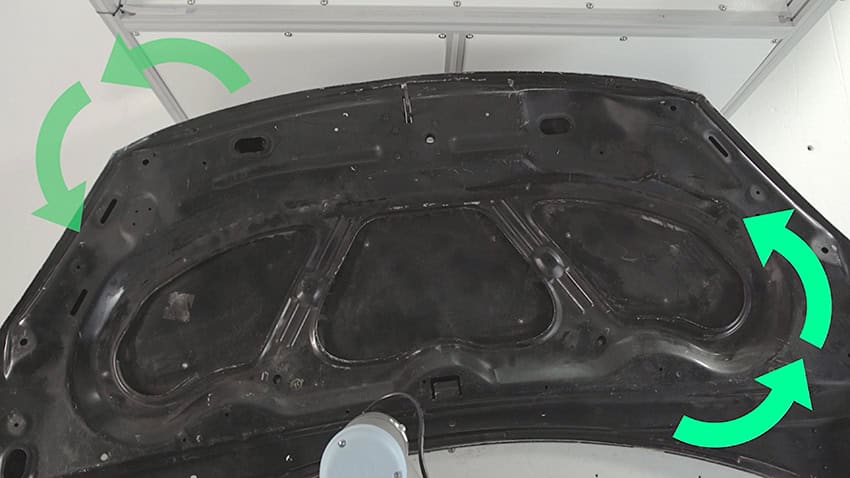
For example, major car manufacturers are increasingly deploying AI-powered collaborative robots (cobots) with vision systems for automated paint inspections. These cobots use high-resolution cameras and machine learning algorithms to autonomously scan car bodies, detecting paint defects such as scratches or uneven distribution.
Similarly, in the aerospace industry, AI-powered robotic arms equipped with high-resolution cameras and additional sensors, like ultrasound, inspect aircraft components for defects or improper assembly. These robotic arms navigate through confined spaces, conducting automated inspections with precision and efficiency, surpassing ordinary inspection methods in both accuracy and speed.
Unlike traditional fixed-line inspection methods, VGR dynamically adapts inspection paths around items, enhancing flexibility and efficiency while reducing operational burdens. This technology is particularly useful in industries that encounter unique quality control challenges with large items or operate in controlled environments.
For example, major car manufacturers are increasingly deploying AI-powered collaborative robots (cobots) with vision systems for automated paint inspections. These cobots use high-resolution cameras and machine learning algorithms to autonomously scan car bodies, detecting paint defects such as scratches or uneven distribution.
Similarly, in the aerospace industry, AI-powered robotic arms equipped with high-resolution cameras and additional sensors, like ultrasound, inspect aircraft components for defects or improper assembly. These robotic arms navigate through confined spaces, conducting automated inspections with precision and efficiency, surpassing ordinary inspection methods in both accuracy and speed.
AI Visual Inspection Combined With AR
The fusion of AI with augmented reality (AR) technologies marks a notable leap forward in inspection capabilities, extending beyond mere defect detection. By overlaying inspection data onto physical objects, AR + AI empowers operators with actionable insights, enhancing decision-making and improving workplace safety. This powerful combination leverages the strengths of both AI and AR to revolutionize inspection processes, enabling more comprehensive and efficient quality control workflows, and making new applications such as counting, assembly verification, SOP validation, and safety inspection possible.
AI-powered AR devices, such as smart glasses and AR headsets, offer a seamless interface for frontline workers. However, AI vision is not limited to specialized AR hardware. It can also be integrated with everyday smart devices such as smartphones, tablets, IP cameras, and drones, further expanding the reach and functionality of inspection systems. The compatibility of these technologies with various smart devices underscores their versatility and potential for widespread adoption across different industries.
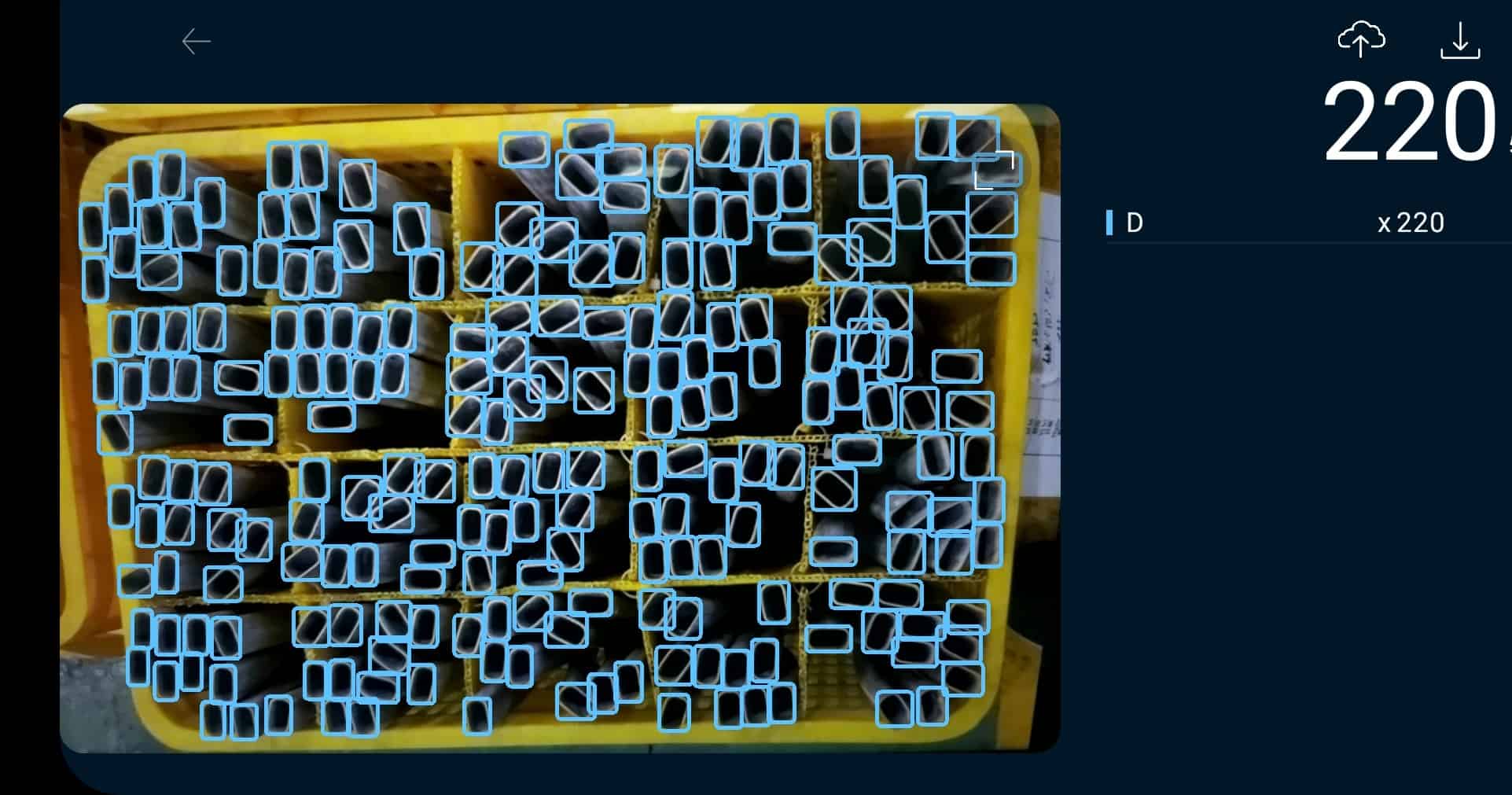
For example, in logistics and warehousing, AI-powered object recognition through smart devices enables precise inventory counting, optimizing stock control and inventory management. This integration reduces order-picking errors and empowers warehouse staff with actionable insights, streamlining workflows and improving overall efficiency.
During PCB assembly, these systems project assembly instructions directly onto technicians’ fields of view, guiding them through complex procedures step-by-step. AI algorithms analyze technician actions and provide real-time feedback, ensuring compliance with standard operating procedures (SOPs) and minimizing errors.
AI-enhanced AR inspection also plays a crucial role in maintaining safety and compliance. In construction, AI systems can identify potential hazards and ensure adherence to industry regulations, reducing the risk of accidents and improving overall construction site safety. For infrastructure monitoring, smart devices equipped with AI enable technicians to conduct real-time remote inspections, transmitting live video feeds for analysis by experts located elsewhere. AI algorithms can automatically flag potential problems, facilitating immediate investigation and resolution. This setup not only minimizes downtime but also ensures the reliability of machinery and critical infrastructure.
Similarly, in the offshore wind industry, drones equipped with AI and AR capabilities are indispensable for monitoring and progress tracking. These drones provide comprehensive aerial views augmented with AR overlays, including blueprints and safety instructions. This enhanced perspective allows technical teams to make informed decisions quickly, ensuring timely adjustments and quality control.
AI-powered AR devices, such as smart glasses and AR headsets, offer a seamless interface for frontline workers. However, AI vision is not limited to specialized AR hardware. It can also be integrated with everyday smart devices such as smartphones, tablets, IP cameras, and drones, further expanding the reach and functionality of inspection systems. The compatibility of these technologies with various smart devices underscores their versatility and potential for widespread adoption across different industries.
For example, in logistics and warehousing, AI-powered object recognition through smart devices enables precise inventory counting, optimizing stock control and inventory management. This integration reduces order-picking errors and empowers warehouse staff with actionable insights, streamlining workflows and improving overall efficiency.
During PCB assembly, these systems project assembly instructions directly onto technicians’ fields of view, guiding them through complex procedures step-by-step. AI algorithms analyze technician actions and provide real-time feedback, ensuring compliance with standard operating procedures (SOPs) and minimizing errors.
AI-enhanced AR inspection also plays a crucial role in maintaining safety and compliance. In construction, AI systems can identify potential hazards and ensure adherence to industry regulations, reducing the risk of accidents and improving overall construction site safety. For infrastructure monitoring, smart devices equipped with AI enable technicians to conduct real-time remote inspections, transmitting live video feeds for analysis by experts located elsewhere. AI algorithms can automatically flag potential problems, facilitating immediate investigation and resolution. This setup not only minimizes downtime but also ensures the reliability of machinery and critical infrastructure.
Similarly, in the offshore wind industry, drones equipped with AI and AR capabilities are indispensable for monitoring and progress tracking. These drones provide comprehensive aerial views augmented with AR overlays, including blueprints and safety instructions. This enhanced perspective allows technical teams to make informed decisions quickly, ensuring timely adjustments and quality control.
Future of AI-Based Visual Inspection
The evolution of AI in quality control processes highlights its transformative impact on industries worldwide, presenting new opportunities for innovation and efficiency. The need for precise and efficient inspection processes is universal, and AI-driven AR solutions provide the tools necessary to meet these demands. Enhanced AI capabilities, improved human-machine interaction, and broader industry adoption will drive the development of new applications across various sectors.
As AI-backed AR inspection technologies advance, their adoption will expand across diverse industries, providing solutions that meet inspection needs with precision and efficiency. Standardization and integration with existing practices will be key drivers of this adoption. As these systems become more established, organizations will find it easier to implement and benefit from these innovations. This seamless integration of AI and AR into everyday operations will not only improve quality but also enhance overall productivity and efficiency across all industries.
As AI-backed AR inspection technologies advance, their adoption will expand across diverse industries, providing solutions that meet inspection needs with precision and efficiency. Standardization and integration with existing practices will be key drivers of this adoption. As these systems become more established, organizations will find it easier to implement and benefit from these innovations. This seamless integration of AI and AR into everyday operations will not only improve quality but also enhance overall productivity and efficiency across all industries.
This article was originally published in Quality Magazine on August 13, 2024